
Online searches related to fred perry porn, fred perry porn comics, fred perry porn comic, fred perry comic porn, and fred perry pirate porn have increased steadily in recent years. These queries don’t exist in a vacuum—they reflect broader curiosity about niche comic art, parody culture, and how independent artists build massive followings on the internet.
This article explores the topic from a safe, informational angle, helping readers understand who Fred Perry is as an artist, why his name is associated with adult-themed comics in search trends, and how online fandoms shape demand—without diving into explicit content.
Who Is Fred Perry in the Comic Art World?
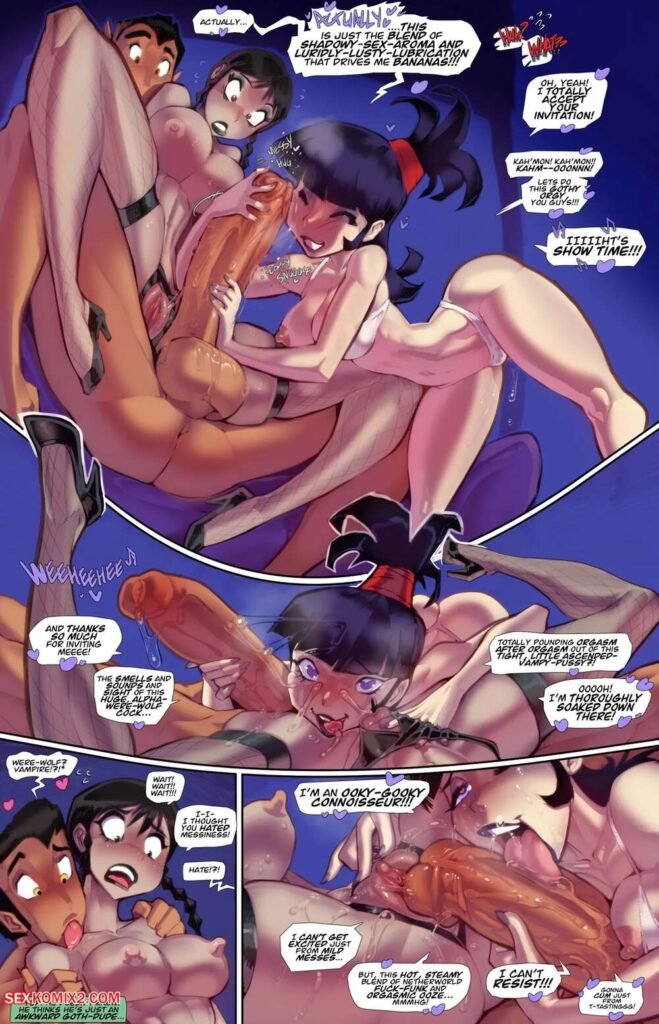
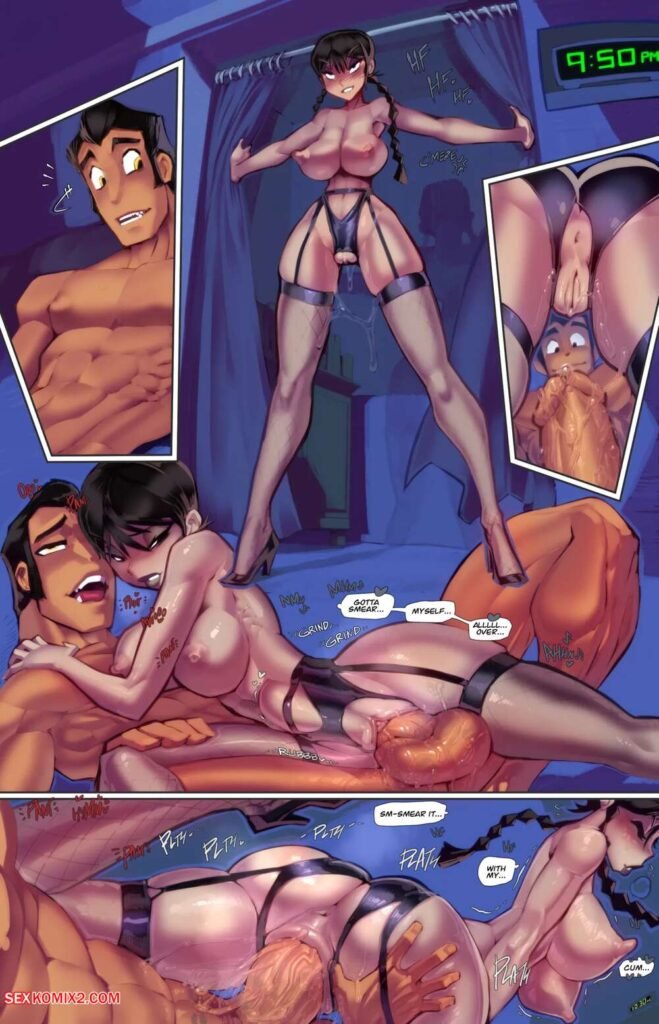
Fred Perry is best known as a comic artist and illustrator with a distinctive, instantly recognizable style. Over the years, his work has appeared in mainstream comics, independent publications, and parody projects. His art style is often described as bold, expressive, and exaggerated, which naturally draws attention from fans of stylized character design.
Because of this visual approach, some of his work has been discussed in adult-art circles, leading to frequent searches that combine his name with terms like porn comics or comic porn. Importantly, these searches usually refer to illustrated parody content and fan interest, not traditional adult films or explicit live-action material.
Why “Fred Perry Porn Comics” Is a Popular Search Term
Search behavior often reflects curiosity more than intent. In this case, people searching for fred perry porn comics are usually looking to understand:
- His illustration style
- The difference between official work and parody art
- Where his comics are discussed online
- Why his name trends in adult-art conversations
In many cases, the keyword “porn” is used loosely by internet users to describe adult-themed or suggestive illustrations, even when the content itself is stylized, humorous, or narrative-driven rather than explicit.
The Role of Parody and Fan Culture
One reason terms like fred perry comic porn and fred perry porn comic appear so frequently is the long tradition of parody comics in online fandoms. Parody art often exaggerates well-known characters, genres, or themes and is shared widely in forums, archives, and discussion boards.
Fred Perry’s artwork has been referenced in:
- Comic discussion forums
- Art critique communities
- Fan-archive conversations
- Online marketplaces for illustrated comics
This visibility fuels search demand, especially among readers who are curious about how comic art can cross into mature or adult-themed storytelling without becoming explicit.
What People Mean by “Fred Perry Pirate Porn”
The keyword fred perry pirate porn is a good example of how niche internet searches form. Rather than referring to piracy or illegal content, users often mean pirate-themed parody comics or fantasy-style illustrations associated with Perry’s broader artistic universe.
Pirate settings are common in comics and illustrations because they allow for:
- Fantasy storytelling
- Dramatic costumes and characters
- High-energy visual scenes
- Exaggerated, stylized designs
When combined with adult-themed search language, the intent is usually to find illustrated parody content, not real-world explicit material.
Art Style Over Explicit Content
One of the most overlooked aspects of these searches is that art style is often the main attraction. Fans of illustrated comics are drawn to:
- Clean linework
- Expressive character faces
- Dynamic poses
- Consistent visual storytelling
Fred Perry’s reputation rests largely on these artistic qualities. Even when his name is associated with adult-themed keywords, the interest frequently centers on how the art looks, not on explicit scenes.
Legal and Ethical Considerations
It’s important to understand that illustrated comics exist in a different legal space than live-action adult content. However, that doesn’t mean all material is freely usable or distributable. Readers searching for fred perry porn comics should be aware of:
- Copyright laws protecting original artwork
- The difference between official releases and unauthorized uploads
- The importance of supporting creators through legitimate platforms
- Respecting artist boundaries and usage rights
Many artists rely on commissions, licensed publications, and direct fan support to sustain their work.
Why These Keywords Perform Well Online
From an internet behavior perspective, keywords like fred perry porn comics perform well because they combine:
- A recognizable artist name
- A clear niche (illustrated comics)
- Curiosity-driven adult search language
- Long-standing fandom interest
Search engines often surface results that explain context, history, and background—making informational content like this valuable for users who want understanding rather than explicit material.
Community Discussions and Forums
Much of the conversation around Fred Perry’s adult-themed reputation happens in:
- Comic forums
- Art critique threads
- Illustration-focused communities
- General pop-culture discussion boards
These spaces typically focus on art quality, storytelling, and parody themes, rather than explicit details. That’s why safe, descriptive articles continue to attract readers.
Final Thoughts
The popularity of searches such as fred perry porn, fred perry porn comics, and related terms highlights how modern internet culture blends art, fandom, and curiosity-driven language. While the keywords themselves sound explicit, the real interest often lies in illustration style, parody culture, and the influence of independent comic artists.
By approaching the topic thoughtfully and responsibly, readers can gain insight into why these searches exist, what they actually represent, and how illustrated comics continue to evolve as a powerful form of creative expression online.
Fred Perry Comics and Internet Search Trends: Why Fans Are Still Curious in 2025
The name Fred Perry continues to appear in online searches year after year, often connected to terms like Fred Perry porn comics, Fred Perry comic porn, or Fred Perry pirate comics. While these keywords suggest adult interest, the broader reality is more complex and rooted in internet culture, fan art history, and the long-standing popularity of independent comic creators.
Understanding why these search terms exist — and what people are actually looking for — helps explain how online curiosity, nostalgia, and digital art communities intersect in modern web culture.
Who Is Fred Perry in Online Culture?
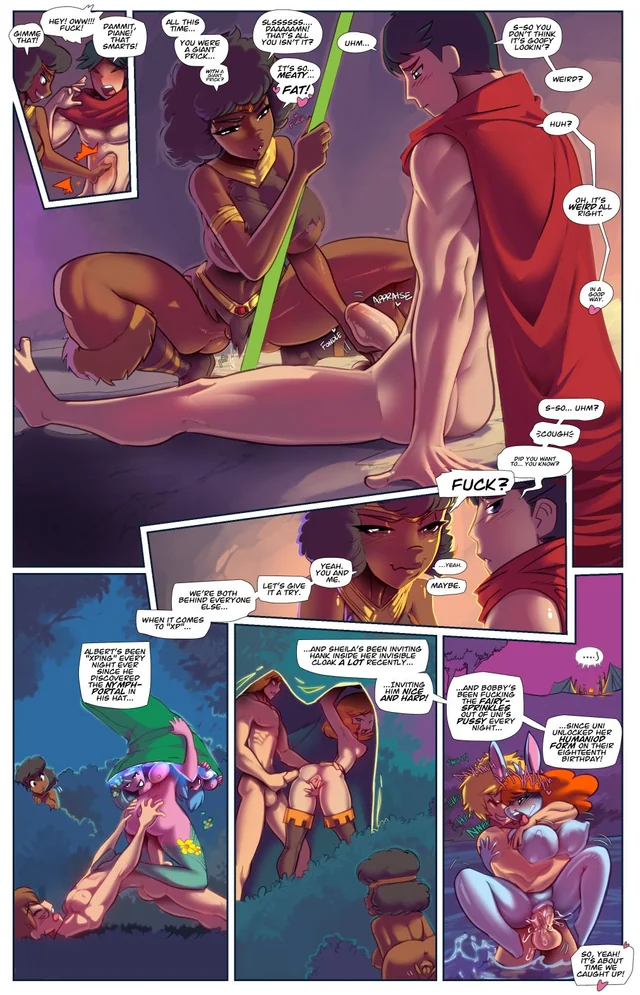
Fred Perry is widely known online as a comic artist and illustrator who gained popularity in the early days of the internet. His work became recognizable for its expressive character design, bold line work, and serialized storytelling. Over time, fans began sharing and discussing his comics across forums, image boards, and fan sites.
As with many internet artists, search behavior evolved beyond the original material. People began attaching broad keywords like porn comics or adult comics to anything that looked stylized, exaggerated, or outside mainstream publishing — even when the material itself wasn’t explicit.
This pattern is extremely common across digital art spaces.
Why “Fred Perry Porn Comics” Became a Search Term
Search terms don’t always reflect official content. In many cases, they reflect how users categorize content, not how creators label it.
For Fred Perry-related searches, several factors contributed:
- His comics were widely shared on forums that also hosted adult content
- Fan edits and reinterpretations appeared without creator involvement
- People reused his name as a reference point for a specific art style
- Internet myths and reposts blurred original context
Over time, phrases like “Fred Perry porn comic” became a shorthand users typed into search engines — even when they were really just looking for archived comics or discussions.
Fan Culture, Parody, and Mislabeling
One important factor behind terms like Fred Perry comic porn or Fred Perry pirate comics is fan culture. Fans often create parodies, mashups, or homage artwork inspired by artists they admire.
Once these fan works circulate:
- They are reposted without credits
- Titles are changed for clicks
- Keywords are exaggerated for attention
- Original context is lost
This leads to confusion, where a creator’s name becomes linked to content they didn’t make or approve.
The Role of Forums and Archive Sites
Searches involving Fred Perry porn comics often lead to:
- Old forum discussions
- Image archives
- Commentary threads
- Art history breakdowns
These spaces are less about consuming explicit content and more about rediscovering early internet art. Many users are nostalgic, curious about webcomic history, or researching how online illustration evolved before social media platforms existed.
Why These Searches Still Appear in 2025
Even in 2025, search engines still surface older keywords because:
- Long-tail searches never fully disappear
- Archived pages remain indexed
- Curiosity spikes on social media revive interest
- New audiences rediscover old names
This doesn’t mean new content is being produced — it means people are researching, remembering, or stumbling upon past trends.
Separating the Artist from the Keyword
It’s important to separate:
- The artist → known for comic illustration and storytelling
- The keyword → shaped by internet behavior and search habits
Many creators from the early internet era experience the same thing: their names become attached to exaggerated or misleading terms over time.
This happens across art, music, gaming, and meme culture — not just comics.
Why Safe, Contextual Content Performs Better Long-Term
Websites that discuss topics like Fred Perry responsibly tend to:
- Stay indexed longer
- Avoid DMCA complaints
- Build authority over time
- Attract organic search traffic
Search engines increasingly favor contextual explanations over shock-based pages. Explaining why a term exists often performs better than repeating it without substance.
Final Thoughts
The continued interest in phrases like Fred Perry porn comics says more about internet history and search behavior than about explicit content itself. It reflects how early online art circulated, how fandoms grew, and how keywords evolve beyond their original meaning.
By approaching the topic through culture, art, and digital trends, websites can capture search traffic without risk, while also offering real value to readers who want to understand the story behind the name.